
Condo Association vs HOA on Okaloosa Island for Buyers
January 15, 2026
January 15, 2026
Trying to compare a condo association and an HOA on Okaloosa Island can feel confusing at first. The terms sound similar, but what you own, what you insure, and how you pay for maintenance can be very different. If you are eyeing a gulf-front condominium like El Matador on South Okaloosa Island, understanding these differences will help you budget wisely and avoid surprises. In this guide, you’ll learn how COAs and HOAs work in Florida, what to expect with dues and insurance on the coast, and a simple checklist to use before you buy. Let’s dive in.
A condominium association (COA) governs a condo community where you typically own the interior of your unit and share ownership of the building and grounds with other owners. The association manages common elements and enforces rules under the Florida Condominium Act (Chapter 718). Your responsibilities and voting rights are detailed in the condo declaration and bylaws.
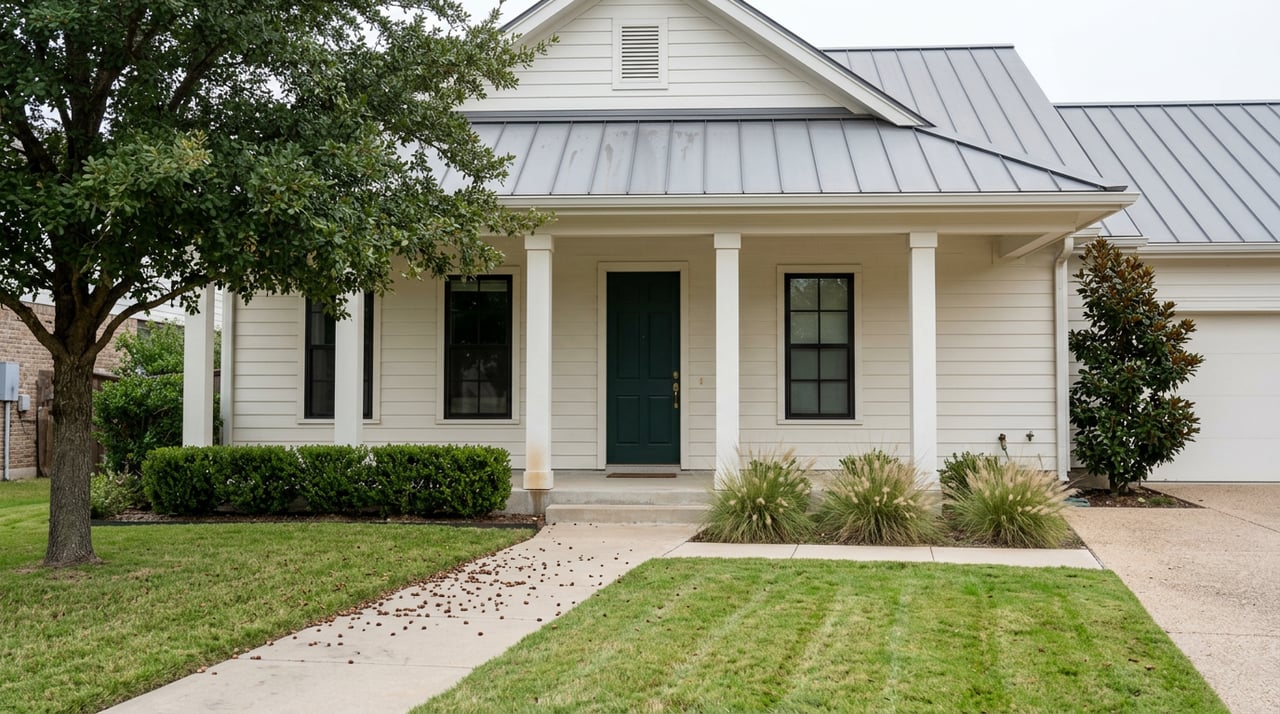
A homeowners’ association (HOA) usually governs a single-family or townhome community where you own your home and the lot beneath it. The HOA maintains common areas and enforces covenants under the Florida Homeowners’ Association Act (Chapter 720). In most HOAs, you handle your home’s exterior and structure unless the documents say otherwise.
Both structures use governing documents, elected boards, annual budgets, meeting minutes, and financial disclosures. The specifics vary by community, so you will want to review the documents for any property you are considering.
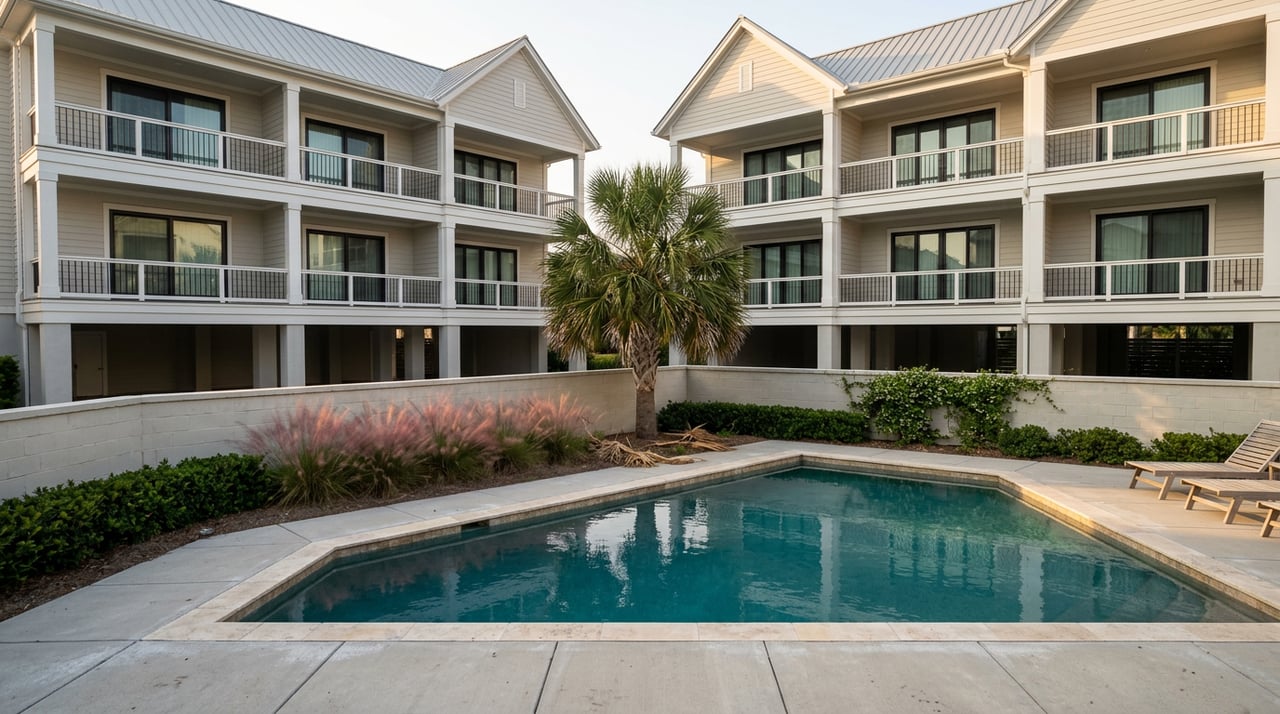
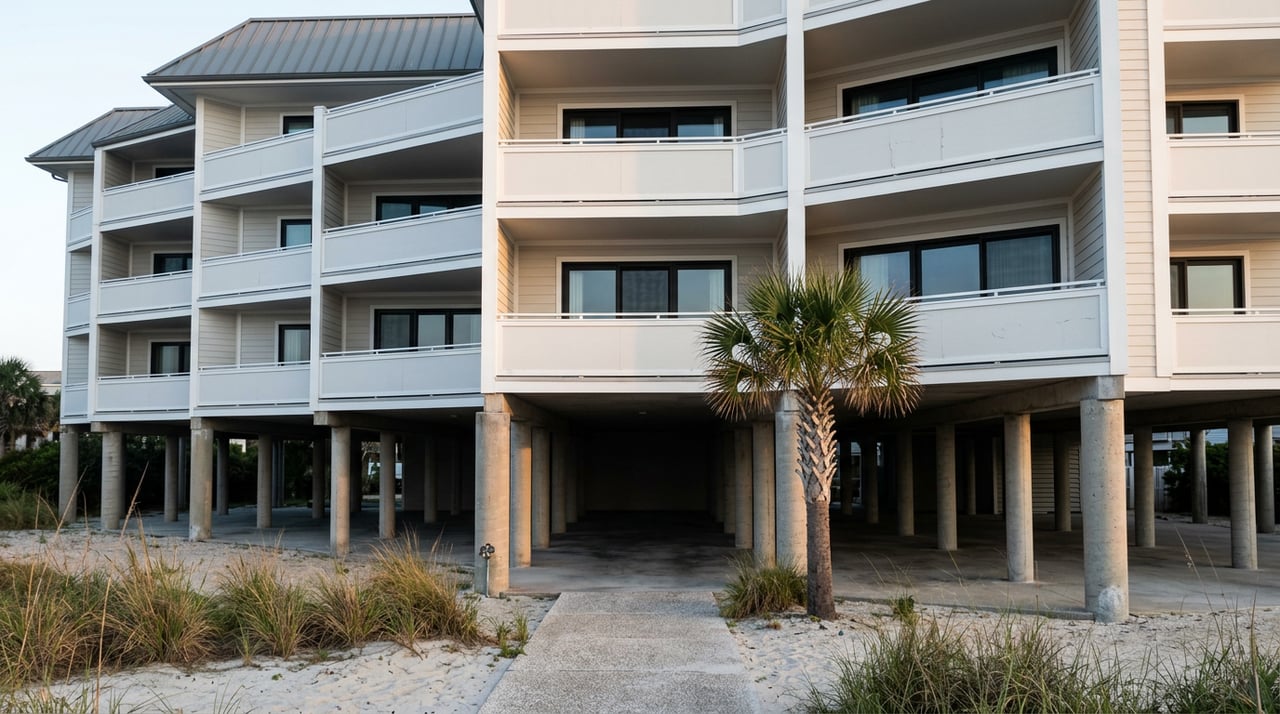
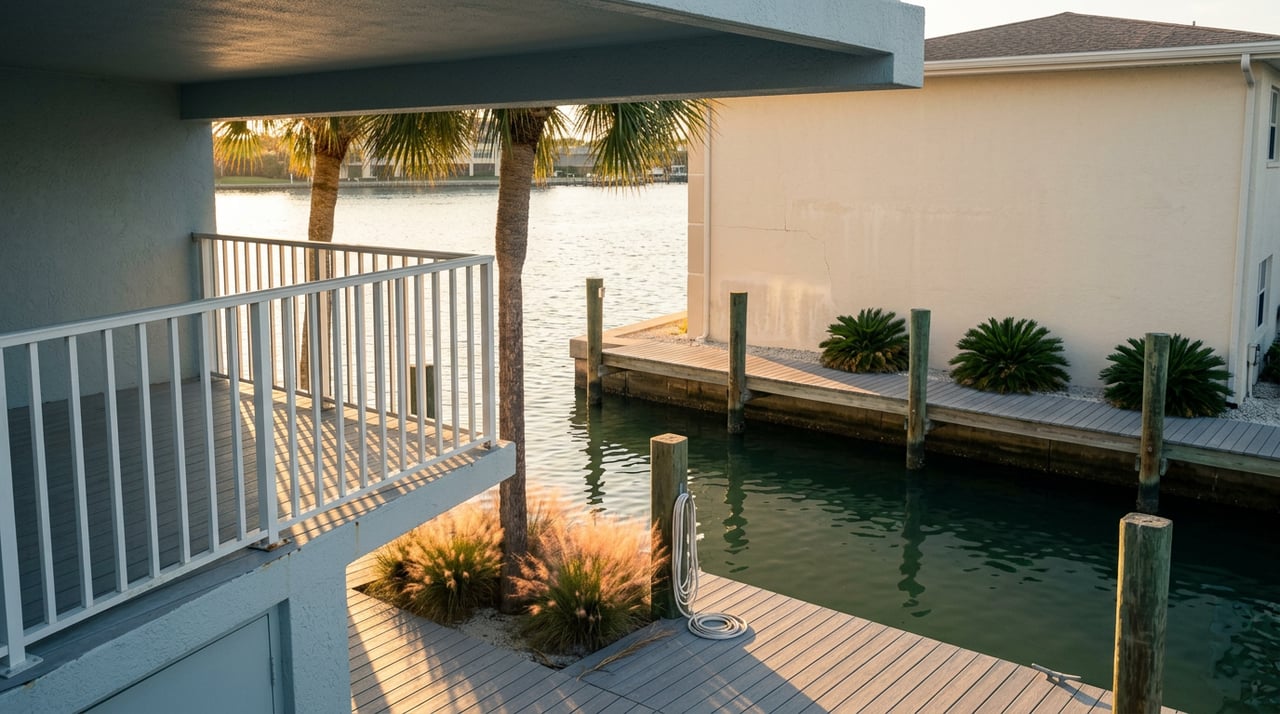
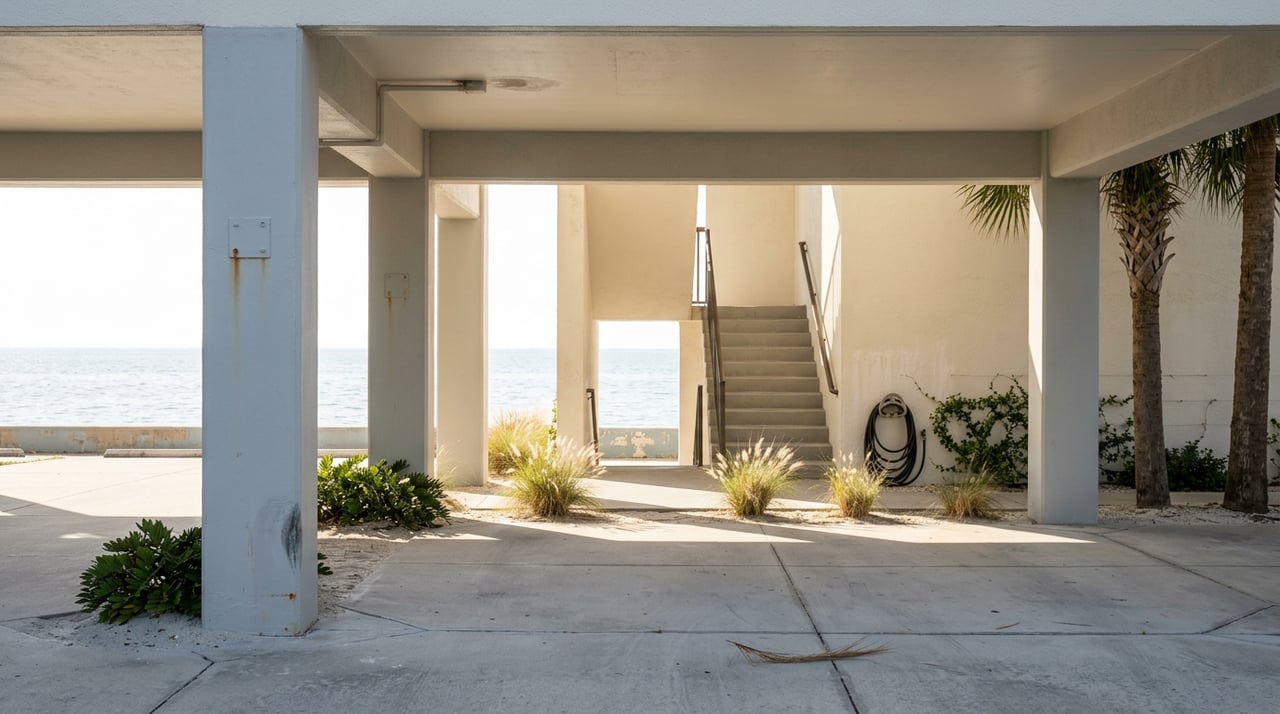
At a gulf-front condominium such as El Matador, you typically own the interior of your unit, often described as the “airspace” within the walls. You share ownership of common elements such as the roof, exterior walls, elevators, pools, parking areas, and the land.
The declaration can also define limited common elements that are assigned to specific units, such as a balcony or a designated parking spot. Responsibility for these items can vary by building. Always review the association’s declaration and rules to confirm what the COA versus the owner maintains.
In a COA setting, the association is commonly responsible for the building envelope, exterior, shared amenities, and major systems. Your COA dues fund routine upkeep like landscaping and pool care, as well as management and common-area insurance. Interior finishes and systems inside the unit are typically your responsibility, unless the governing documents say otherwise.
In an HOA for single-family homes, the association usually maintains shared amenities and entry landscaping, while you maintain your home’s roof, exterior, and driveway. The HOA budget does not cover individual homes unless specified in the declaration. Always check the documents to confirm who pays for each type of component.
Association dues are based on an annual operating budget. In condos, allocations often follow a percentage interest laid out in the declaration. HOAs frequently charge a flat amount per parcel. Payments can be monthly, quarterly, or annually depending on the community.
Dues have two major parts. The operating budget covers day-to-day costs such as common-area utilities, janitorial, landscaping, pool maintenance, management fees, and insurance premiums for common areas. Reserves are funds set aside for big-ticket items like roof replacement, exterior painting, elevators, and structural repairs.
If reserves or the operating budget fall short, associations can levy special assessments according to their documents and Florida law. Beachfront condos face higher risk of special assessments due to storm exposure, salt-air corrosion, rising insurance costs, and more frequent major repairs. Expect more dues volatility in coastal COAs than in many inland HOAs.
Condo associations usually carry a master insurance policy that covers the building’s structure and common areas, often including wind or hurricane coverage in Florida. Deductibles can be substantial and may be a percentage of the insured value for wind losses. How deductibles are handled should be spelled out in the policy and governing documents.
As a condo owner, you will typically need an HO-6 policy. This covers interior finishes, personal property, loss of use, and personal liability. It is wise to include loss assessment coverage in Florida to help with your share of an association deductible or a special assessment related to a covered loss. Confirm whether interior fixtures and HVAC components are covered by the COA’s policy or by you.
In an HOA with single-family homes, the HOA insures only the common areas. Homeowners carry their own HO-3 or similar policy for the house, other structures, and personal property.
Okaloosa Island is exposed to hurricanes and storm surge. FEMA Flood Insurance Rate Maps identify flood zones such as VE or AE that affect insurance requirements and premiums. You should verify the property’s flood zone and review any elevation certificates, especially if a mortgage will require flood insurance.
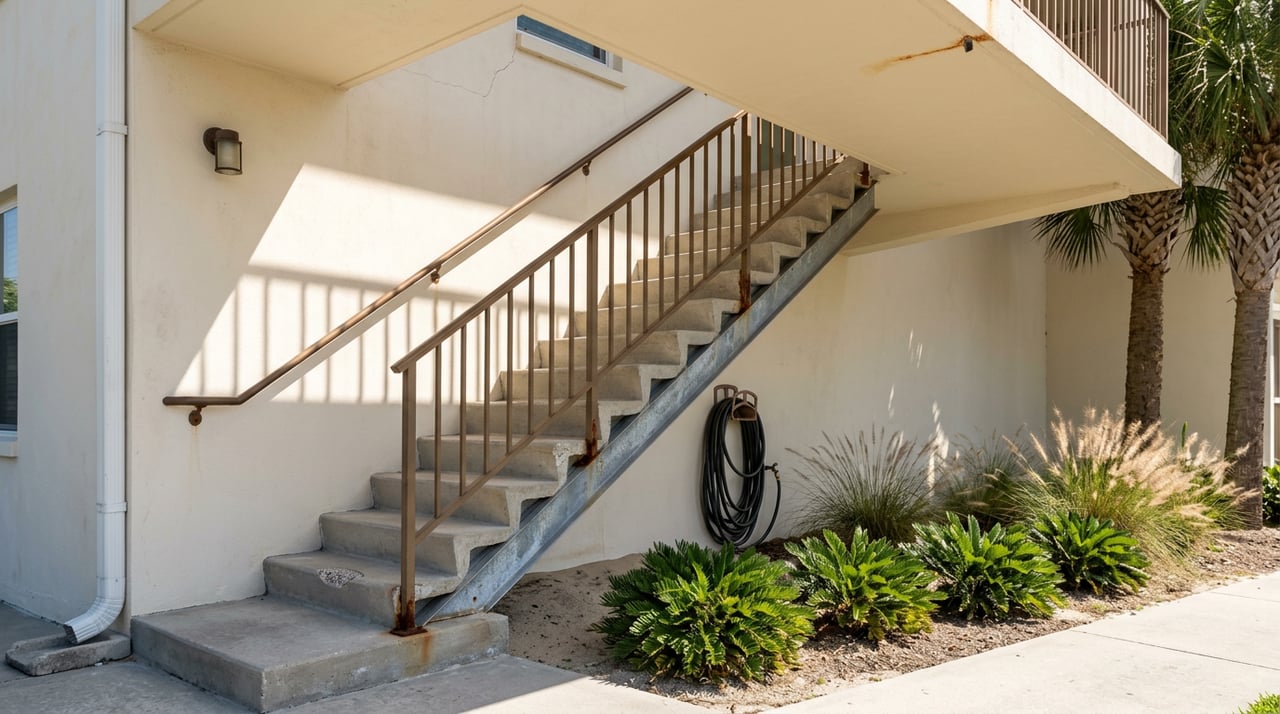
Windstorm risk is also a significant factor. Coastal conditions accelerate wear on exterior components and building systems. Salt air speeds up corrosion, shortens paint cycles, and can stress balconies, railings, and mechanical systems, which increases long-term reserve needs in a condo setting.
Florida now requires timed structural inspections and recertifications for multi-story buildings. Many coastal jurisdictions use a shorter recertification timeline for buildings within a certain distance of the shoreline. Ask for the most recent structural inspection or recertification report, any required repair plans, and status updates from the association and local building department.
A gulf-front condo community such as El Matador typically has more complex common elements and coastal exposure than an inland subdivision. That means the COA’s budget will account for elevators, exterior restoration, pools, and wind and property insurance at the association level. Reserve planning is especially important, because replacement cycles on the coast tend to be shorter.
This does not mean every condo faces large assessments. It does mean you should look closely at reserves, recent projects, and insurance costs before you buy. The goal is to understand both the routine expenses and the long-term capital needs that come with beachfront living.
Use this quick list to review any Okaloosa Island condo before you write an offer:
While touring, ask practical questions:
If you intend to rent short-term, confirm the COA’s rental rules, minimum stay requirements, and any occupancy limits. Review how the association handles guest access, parking, and common-area use. Check local ordinances to ensure your rental plan aligns with current regulations.
If you buy a single-family home or townhome governed by an HOA, budget considerations shift. You will likely be responsible for your roof, exterior, and other structural items on your lot. HOA dues usually cover shared amenities and entry landscaping rather than the buildings themselves.
Your personal homeowner’s insurance will be the primary policy for the structure, with the HOA covering only common elements. Special assessments still occur in HOAs, but coastal condos tend to see more volatility due to building-wide systems, insurance, and storm exposure.
Condo communities operate under the Florida Condominium Act, and HOAs under the Florida Homeowners’ Association Act. The Florida Department of Business and Professional Regulation provides consumer guidance for condominium owners and associations. Industry groups such as the Community Associations Institute offer best practices on reserve studies and governance. Your best approach is to review the community’s documents and consult professionals who handle condo transactions every day.
Buying a condo by the Gulf can be a smart move if you understand how the association works, how reserves are funded, and how insurance and coastal risks affect your costs. With the right due diligence, you can enjoy the beach lifestyle while protecting your investment.
If you want local, condominium-savvy guidance from search to closing, reach out to The Chris Carter Team. We will help you review documents, spot red flags, and negotiate with clarity so you can move forward with confidence.
Stay up to date on the latest real estate trends.
Ready to embark on a rewarding career journey in real estate? Contact us today to explore exciting opportunities with The Chris Carter Team. Your future in real estate starts here! Contact us today to find out how we can be of assistance to you!